⚠ Hundreds of indigenous missionaries are ready to deploy in and around the 10/40 Window and across Central and South America. They are waiting on a sponsor.
There are hundreds of pastors and missionaries already living in the darkest corners of the earth — faithful, fearless, and trusted by their people. They are one training away from igniting a movement. We go behind enemy lines to put AI tools and battle-tested NoPlaceLeft methods into their hands — then we stay with them, coaching and coordinating every step through daily, weekly, and monthly video calls — so they can reach their own villages through the phones already in their pockets. This was impossible before AI. The door is open right now. And we are not the only ones who have noticed.
Launch a Mission — from $28/MonthField-hardened gear, loaded and ready — in a trusted worker's hands.
Walk into the poorest village you can imagine — a place where a pastor earns less than a dollar a day and a family eats on less than three. You expect to find hunger. You expect to find need. What you do not expect to find is this: a phone in almost every hand. People who cannot afford their next meal are holding a doorway to the gospel and do not yet know it. Neither did we — until we saw it.
The device making this possible is not a smartphone. It is a feature phone — a simple, durable, inexpensive mobile device capable of calls, texts, and basic internet access. Governments and telecom providers across the developing world have deliberately subsidized feature phone access as the fastest path to economic development. The result is one of the most extraordinary convergences in mission history.
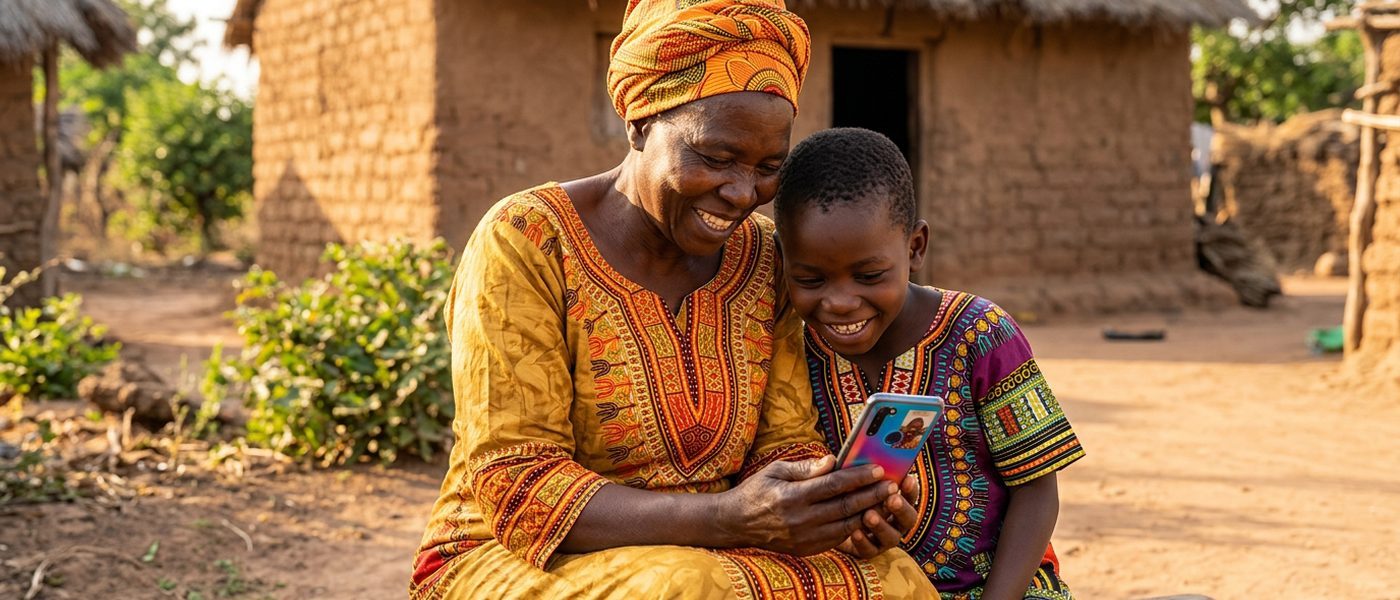
A doorway to the gospel, already in hand.
The scale is staggering. As of early 2026, between 2.1 and 2.5 billion feature phones are active worldwide, and more than 480 million new ones ship every year — many deliberately subsidized onto modern 4G networks to bring the world's poorest onto the grid (Counterpoint Research; IDC Mobile Phone Tracker; Dataintelo Market Analysis, 2026). Across sub-Saharan Africa, South Asia, and Southeast Asia, these phones reach remote villages, refugee camps, and disaster zones that no traditional missionary infrastructure has ever touched.
And here is what AI has made possible that was never possible before: a missionary can now reach a seeker through that feature phone, in their own language, at midnight, in a village with no church, no pastor, and no Christian witness of any kind. Gabriel can do that. And he can do it simultaneously for thousands of people at once.
Your investment is protected by hardware chosen for one reason: it has to survive where the mission goes. Every component is selected for durability, off-grid power, and waterproof reliability — because a tool that fails in the field is a mission that stops. This is professional-grade equipment for a professional-grade operation. (We select comparable best-in-class equipment and may upgrade components as technology advances and availability allows.)
Other religions are not sitting still. Islamic organizations and Hindu nationalist movements are using AI, video training, and digital tools right now to advance their ideologies into the same unreached villages we are called to reach. The battlefield is real, and the side with better tools — used by better-trained people — reaches more souls. When you launch a mission, your team goes equipped to compete.
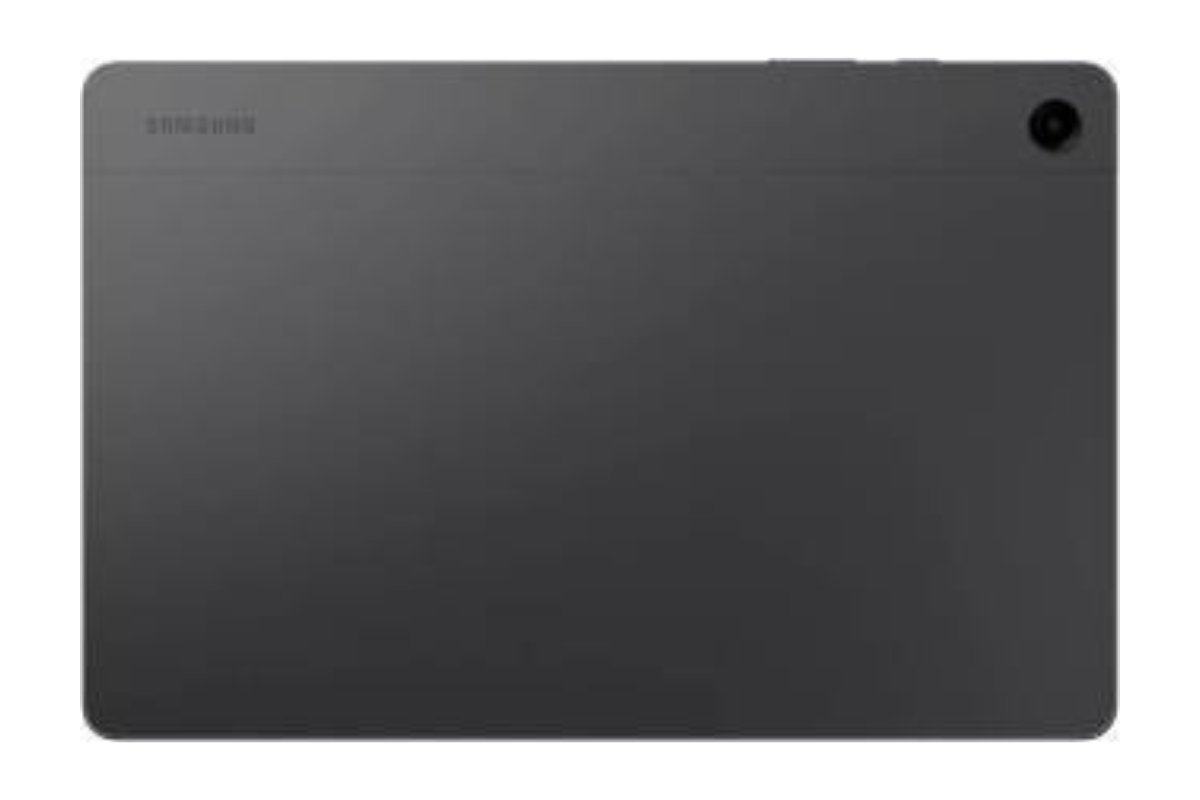
The Samsung Galaxy Tab A9+ 5G is the command center of every mission — running the digital library, the offline AI agent, and the team’s reporting tools. It is the single device that turns one believer into an equipped missionary.
Chosen for: Long battery life, a bright daylight-readable screen, 5G connectivity where it is available, and the processing power to run AI completely offline — no signal required, no dependency on towers or infrastructure that hostile governments can cut.
The competitive edge: Islamic outreach organizations in North Africa and South Asia are already putting tablets loaded with Quran resources and AI chatbots into villages. Our teams arrive with the same class of technology — and the Word of God, proven disciple-making methods, and a global coordination network behind them.
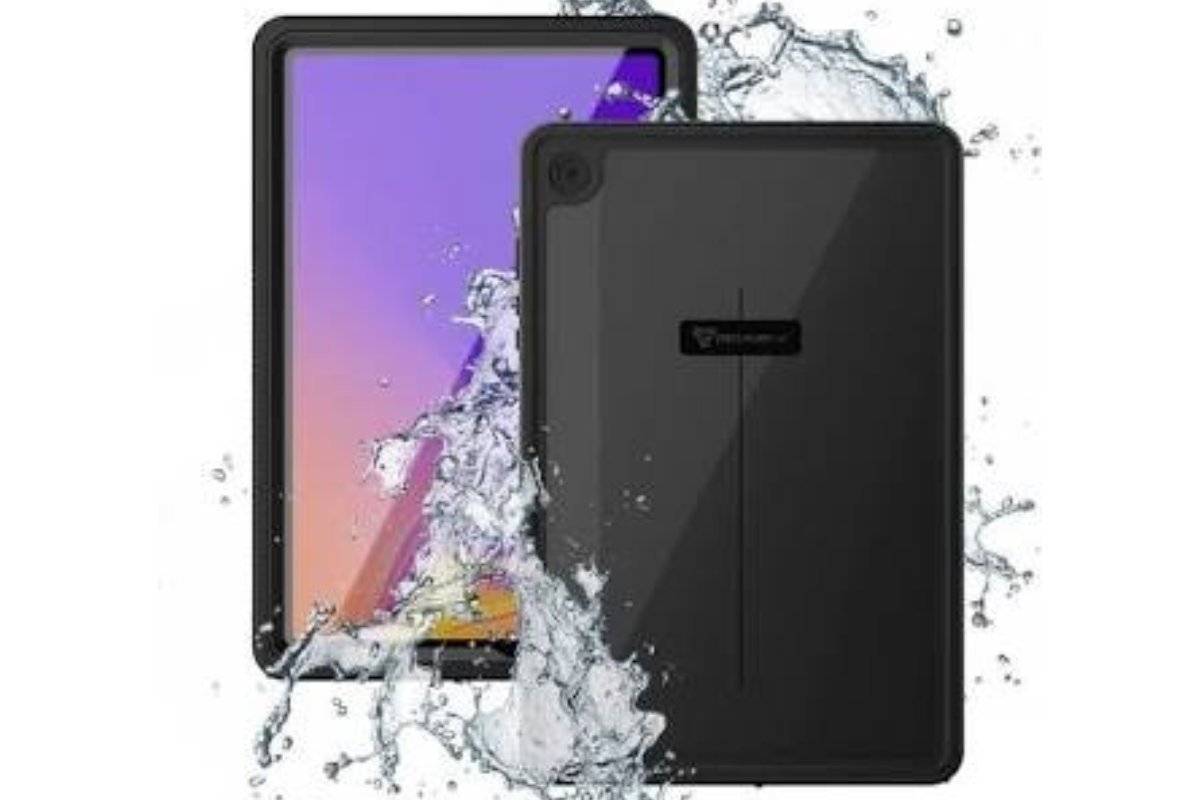
Two layers of protection guard the most important gear in the field. Each does a distinct job.
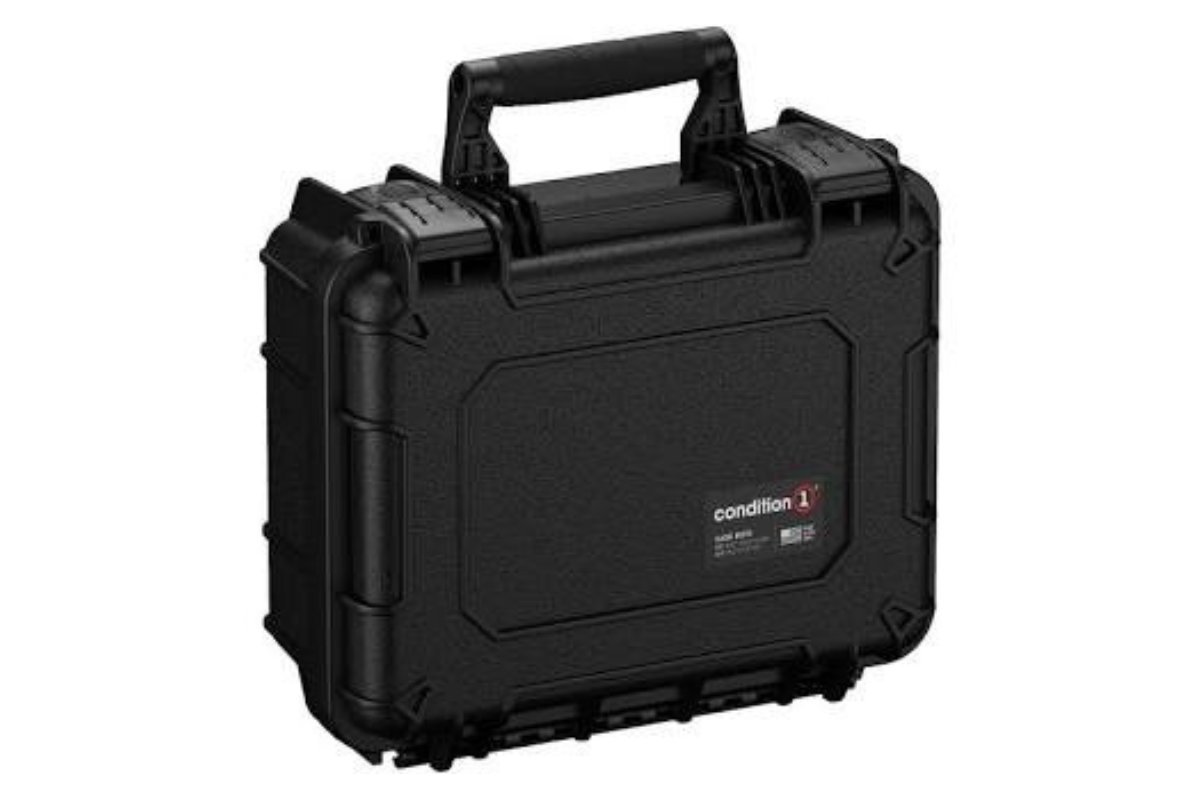
Condition 1 #075 14” Medium Case — Transport Armor. A crushproof, waterproof hard case with a pluckable foam interior that secures the entire kit during transport — forded across a river, strapped to a motorbike on a jungle trail, or carried for miles on foot. Whatever the journey, the gear arrives intact and ready.
ARMOR-X Protective Waterproof Case — Active-Use Armor. Once the kit is unpacked, the ARMOR-X case keeps the Samsung Galaxy Tab A9+ itself protected during daily use in the field — through monsoons, dust storms, and the hard handling of frontline ministry.
Why this protects your investment: Every piece of technology in the kit lives inside this protection system. If the case fails, the mission stops. We do not cut corners here. Equipment that survives is a mission that continues.
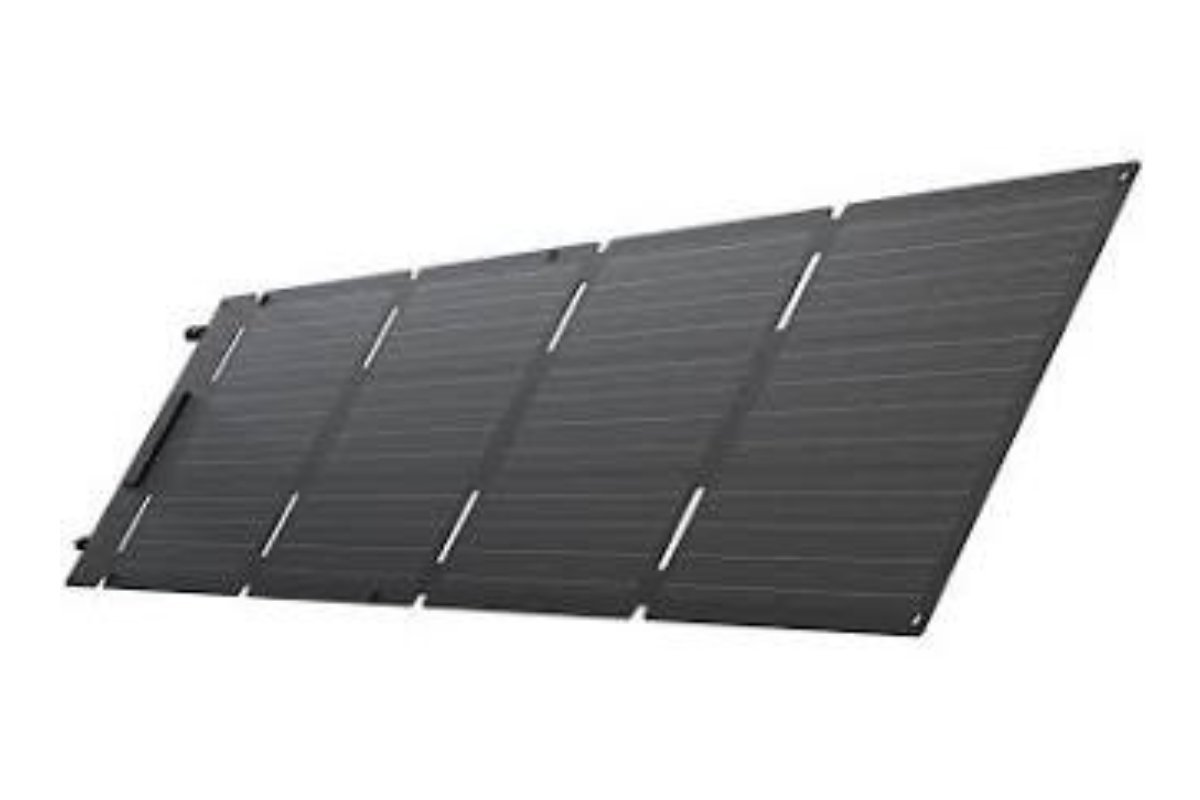
The EcoFlow NextGen 60W Portable Solar Panel is a foldable, high-efficiency solar array that keeps the mission running where there is no electrical grid — no outlets, no generators, no dependence on local infrastructure. The team is never powerless.
In off-grid villages and disaster zones, power is the lifeline. Solar makes the mission fully self-sufficient — and fully independent from infrastructure that local governments can monitor, tax, or shut down.
The competitive edge: A dead device is a disconnected team. The EcoFlow panel eliminates the single most common reason mission teams fall out of contact with their coordinators — and the most common reason donor reports go dark. Your team stays on.
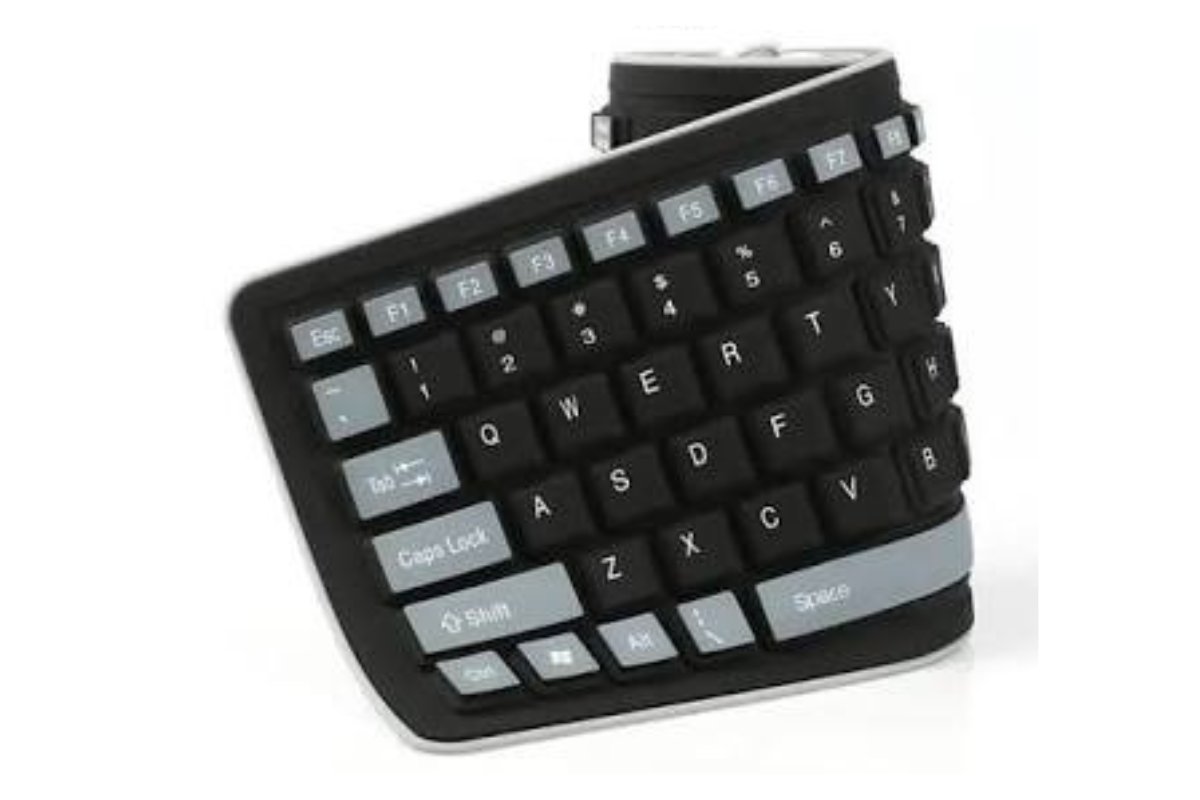
The Kokania USB Waterproof Roll-Up Silicone Keyboard lets the team write detailed reports, translate materials, and communicate — even in humidity and rain that would destroy ordinary electronics. It rolls up to nothing for transport. The Alogic Ultra Mini USB-C to USB-A Adapter connects it instantly to the Samsung Galaxy Tab A9+.
Your reports come from here. Spill-proof and dust-proof means the mission keeps documenting no matter the conditions. Every baptism recorded. Every disciple group tracked. Every prayer request forwarded to you.
Why it matters: Documentation is accountability. An equipped team that cannot report is an unverified team. This keyboard closes the loop between what happens in the field and what you read in your inbox.
A Custom-Curated Digital Library. Before a single tablet ships, we build a digital library tailored to that specific mission team — chosen for their location, their language, and their situation. Scripture in the heart language. The NoPlaceLeft training manuals. Apologetics for the questions that region actually asks. Biblical counseling for the wounds that region actually carries. No two libraries are the same, because no two mission fields are the same. It all lives on the device — fully accessible with no internet connection, anywhere on earth.
An Offline AI Missionary Agent. Every tablet also carries an AI missionary agent that runs entirely offline, right on the device. No signal required. It works alongside the team as a tireless assistant — helping with the administrative load, organizing their reports, answering questions from the curated library, and handling the paperwork that would otherwise eat their days.
The result: less time on a screen, more time in the harvest. The technology disappears into the background so the missionary can do what only a human can.
Christian missionaries should be the best-equipped soldiers on the field — not the least. Everything you just read goes into a frontline worker's hands for one reason: a donor decided they would not send a brother or sister undersupplied into a field where rival movements are already deploying AI. That is what your generosity does.
And we do not just ship equipment and hope for the best — every team we launch is trained, planned with, and coached by MissionaryAgents through daily, weekly, and monthly video calls. You equip them. We walk with them.
While your sponsored mission works the ground, we are building something to work the digital world. Gabriel is an AI missionary, currently under development, designed to search social media platforms around the world, recognize the cries of people who are hurting and seeking, and gently begin a gospel conversation right where they are. When a heart is ready, Gabriel hands that person off to a nearby church for real human follow-up, discipleship, and baptism — a missionary who can be in a million conversations at once, all day and all night, in every language.
Sponsoring a mission today helps fund the future that Gabriel makes possible. Meet Gabriel →
A Western missionary can need months to earn a village's trust. An indigenous believer already has it — and with AI tools, can begin sharing the gospel from day one.
Handing out Bibles goes only so far where many cannot yet read them. Training indigenous Christians in proven NoPlaceLeft methods, equipped with technology, multiplies one worker into many.
Fielding one Western missionary can cost many times more than launching an indigenous team — coached by weekly video call across nations, for a fraction of the cost.
In 1990, missionary strategist Luis Bush coined the term “10/40 Window” to describe the rectangular band of earth stretching from West Africa through the Middle East and across Asia, between 10 and 40 degrees north latitude. It is the most unreached region on earth — home to the vast majority of the world's Muslims, Hindus, and Buddhists, and to the governments most hostile to Christian witness.
An Unreached People Group (UPG) is a people group among whom there is no indigenous community of believing Christians with adequate numbers and resources to evangelize the rest of the group without outside assistance. In other words: they cannot reach themselves. They need someone to go to them — or to reach them through the device already in their pocket.
According to Joshua Project, one of the most authoritative databases of global missions research, there are currently 3.46 billion individuals living in approximately 5,911 unreached people groups within the 10/40 Window. Of those, 62% remain unreached or unengaged — men, women, and children who have never once heard the name of Jesus Christ. And only 3.4% of the world's missionaries serve within the 10/40 Window — 3.4% for 97% of the world's unreached people.
Central and South America, while more evangelized than the 10/40 Window, face their own crisis: a vast network of faithful indigenous church planters who labor in poverty, in isolation, without training or tools, and without support. Together, these regions represent the heartbeat of our mission.
“Sub-Saharan Africa has a growing Christian population, but it is still home to 1,657 unreached people groups. This region is urbanizing faster than any other part of the world. By 2050, 60% of Africans will live in cities.”International Mission Board (IMB) · imb.org · 2025
Before AI, reaching a UPG required a human missionary to physically go there — to learn the language, build trust, navigate government hostility, and hope not to be expelled before the seed took root. The process took years. The cost was enormous. And the attrition rate among missionaries in restricted-access nations was brutal.
AI changes the equation. Gabriel can be trained in any language, in any theological tradition, and deployed to any region in the world — today. He does not need a visa. He does not need housing. He cannot be expelled. And through a feature phone with a basic internet connection, he can reach a seeker in a remote village in Northern Nigeria, a refugee camp in Syria, or a high-rise in Jakarta with the same patient, careful, gospel-centered conversation he delivers to anyone, anywhere, at any hour.
But here is the deeper strategy: Gabriel alone is not the plan. The plan is to equip the indigenous workers who are already there. A pastor in Bolivia who knows his village, speaks his language, and has already earned the community's trust — trained in NoPlaceLeft 4-Fields methods and equipped with AI tools — can multiply his impact 100 times over. He becomes a force multiplier for his own people. And that is something no foreign missionary could ever be.
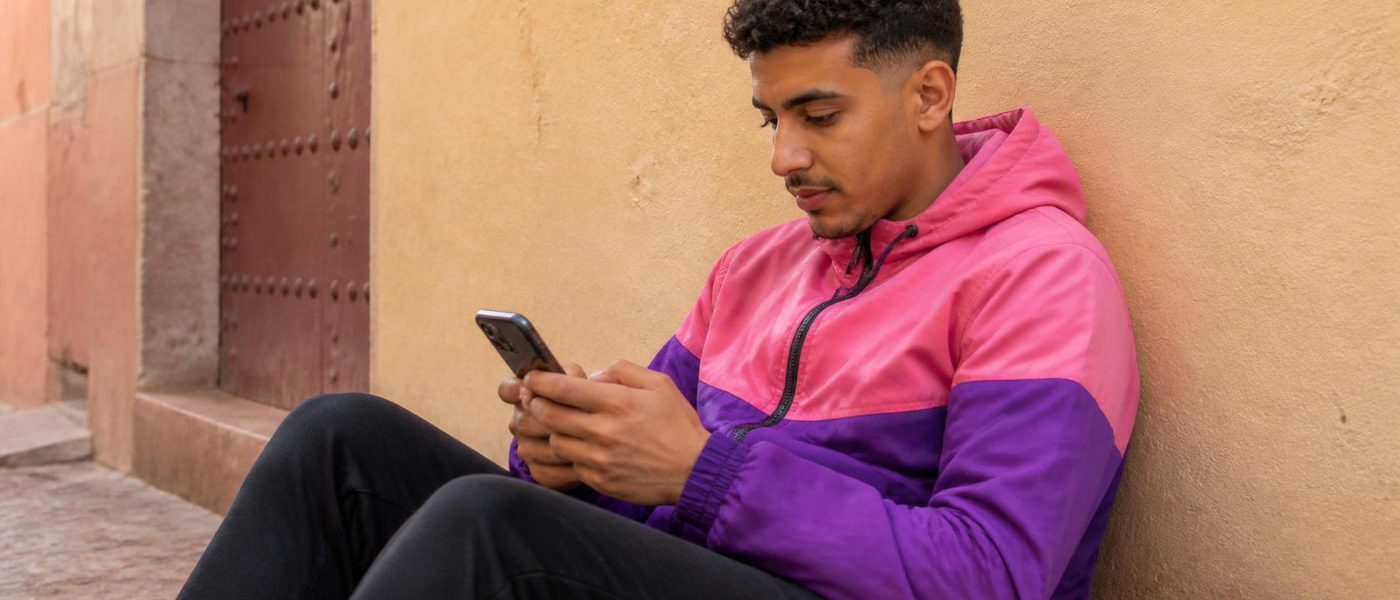
Someone will reach him first. The only question is who.
This is not speculation. In June 2025, the Islamic State Khorasan Province issued a directive calling on its followers to treat AI literacy as a personal duty. Major Islamic organizations including the Yaqeen Institute and Qatar’s Computing Research Institute have deployed AI-powered Quran and fatwa tools already accessed in more than 20 languages. The largest Muslim organizations in Indonesia have built AI-powered da'wah (outreach) platforms. Academic research on the deployment of AI for Islamic evangelism was published in peer-reviewed journals in 2025.
The church cannot play catchup here. The same feature phones that carry the gospel can carry a false one. The same unreached villages that could receive Jesus can receive Mohammed. The advantage belongs to whoever gets there first. Right now, that window is still open. It will not stay open.
We are not afraid of this moment. We are mobilized by it. Paul did not wait for the competing religions of the Roman Empire to take the high ground before he sent his letters. He circulated scrolls to every church he could reach, commanding them to pass the message along: “See that you read this letter also in the church at Laodicea” (Colossians 4:16). Those texts went viral across the ancient world and turned the empire upside down. We are doing the same thing through feature phones and AI — and we must do it now.
The United States Army Special Forces — the Green Berets — do not win wars by outmanning the enemy. They win by going behind enemy lines, finding the indigenous fighters who are already there, and equipping and training them with modern technology and proven methods until they become force multipliers for their own people. One Green Beret team can train and activate a fighting force of hundreds. That trained force can reach thousands more.
This is exactly our strategy in the 10/40 Window and across Central and South America. We are not trying to send Western missionaries into restricted nations where they cannot go. We are finding the Emmanuel and Maria who are already there — the indigenous pastor, the house church leader, the faithful disciple who already has the trust of their community — and we are equipping them with AI tools, proven NoPlaceLeft 4-Fields methodology, and the ongoing support of a global network. Then we step back and watch them multiply.
This is the same strategy Paul used. He did not try to personally evangelize every city in the empire. He raised up leaders, trained them, equipped them with the Word of God, and sent them out with instructions to do the same. His letters were his training curriculum — and he commanded the churches to circulate them: “I charge you by the Lord to have this letter read to all the brothers” (1 Thessalonians 5:27). The gospel went viral in the first century not because one man did everything, but because every trained disciple did something.
We can do this for hundreds of identified workers right now. With your support, we can reach them all.
MissionaryAgents proudly supports TrainaPastor.com, a ministry that has been equipping indigenous pastors in the 10/40 Window and beyond for more than ten years. Their work is boots-on-the-ground, relationship-based pastoral training that complements everything we do with AI and NoPlaceLeft methods. A portion of every donation given to MissionaryAgents is used to support TrainaPastor and other mission-minded organizations as God mobilizes His army to fulfill the Great Commission. When you give to us, you are giving to a network — and that network is already bearing fruit around the world.
Picture Pastor Emmanuel in West Africa. He earns less than one dollar a day. His church has no building. His office is a plastic chair under a tree. He has planted three daughter churches in the last two years using nothing but his Bible, his feet, and his faith. He has never been trained in disciple-making movements. He has no tools, no support network, and no way to report back to anyone. And he is one partnership away from leading a multiplication movement that could reach an entire region.
When you launch a mission, Emmanuel receives a field tablet loaded before it ships with Scripture in his heart language, the NoPlaceLeft training manuals, and an offline AI agent that works alongside him as a tireless assistant — organizing his reports, answering questions from the curated library, and handling the administrative work so he can stay in the harvest. The foldable solar panel keeps it all running in villages where the grid does not reach. The hardened case survives the motorbike, the river crossing, the rainstorm. The waterproof keyboard means his reports reach you — the baptisms, the disciple groups, the open doors. He is connected to a global network for the first time in his ministry — coached through daily, weekly, and monthly video calls as he plans his next move. In a region where Islamic outreach already arrives with tablets and apps, Emmanuel now arrives with the same class of tools, proven methods, and a global team behind him. And you put it there.
Picture Maria in rural Bolivia — a house church leader who has shared the gospel with every family in her village and started discipleship groups in two neighboring towns. She reports back to no one, because she has no one to report to. She does not know the NoPlaceLeft method. But she already has a community, already has a fire in her chest, and already has the trust of her people.
When you launch a mission, Maria’s tablet arrives loaded with apologetics for the questions her region actually asks — the syncretism, the folk religion, the questions about suffering that no itinerant preacher has ever stayed long enough to answer. She has an offline AI agent helping her organize the discipleship groups she is raising up, keeping track of names, prayer requests, and next steps. She files her reports on a waterproof keyboard that rolls up and fits in her bag. And she is no longer reporting to no one — our team meets with her on regular video calls, helping her turn scattered effort into a reproducing strategy that can outpace the folk religion and syncretism competing for her neighbors. And you read those reports — her words, her numbers, her prayer requests — because she finally has a way to send them.
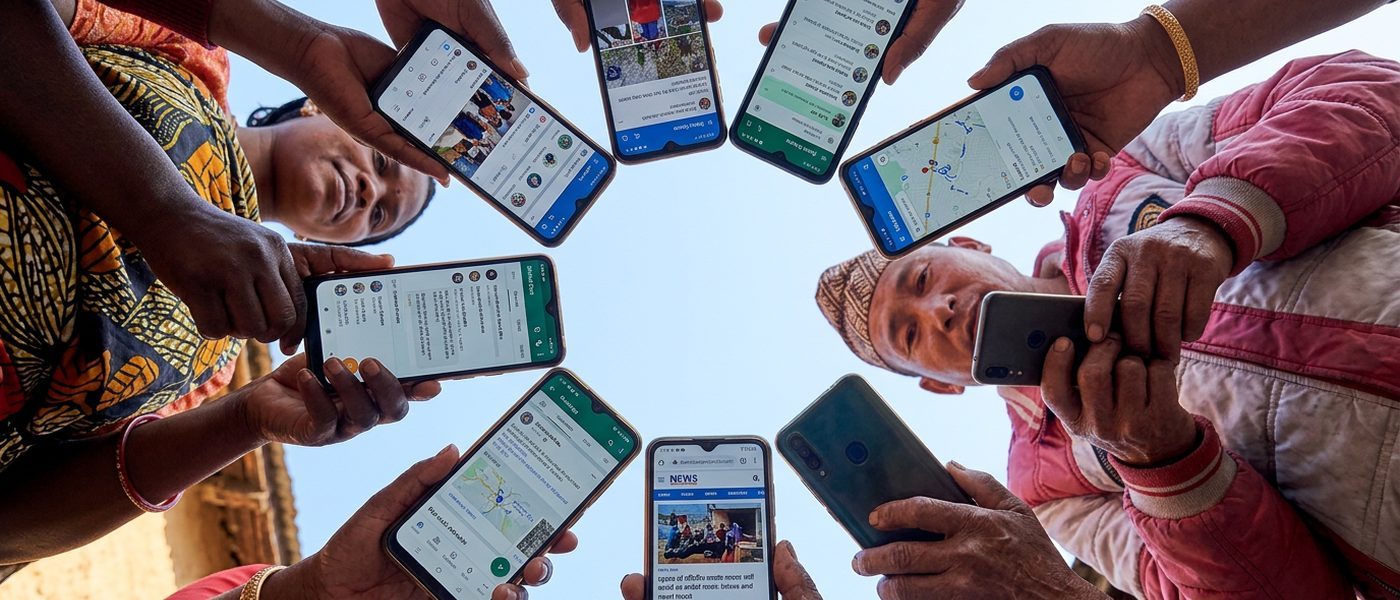
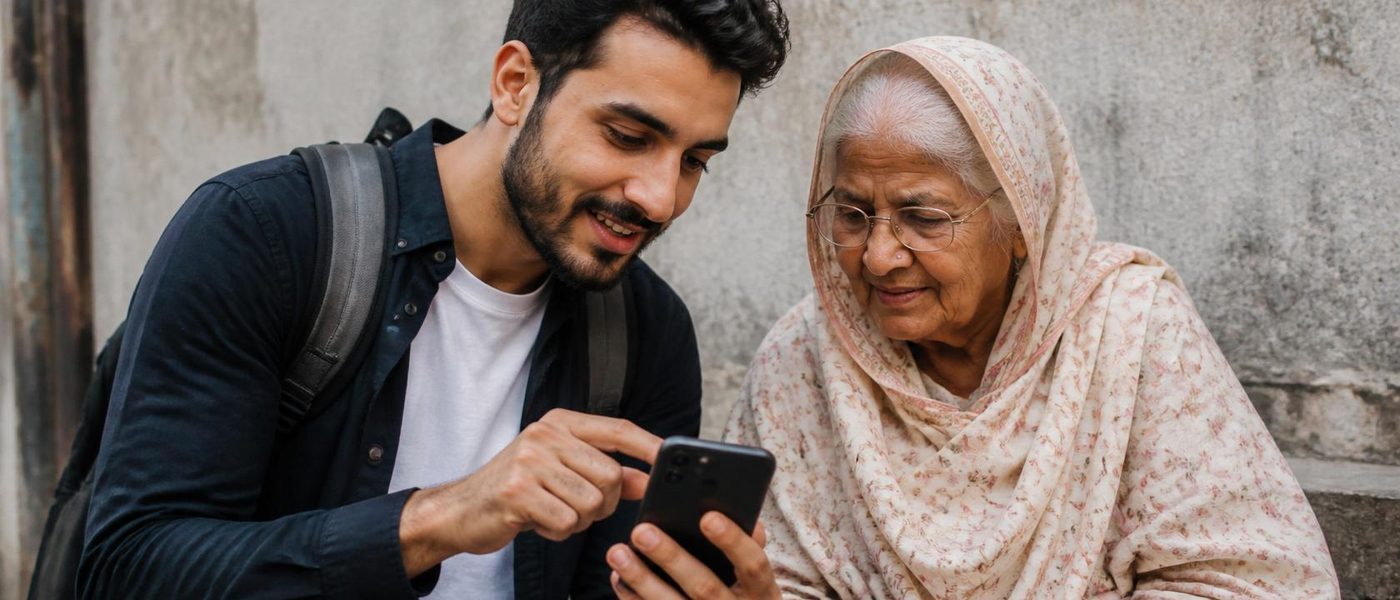
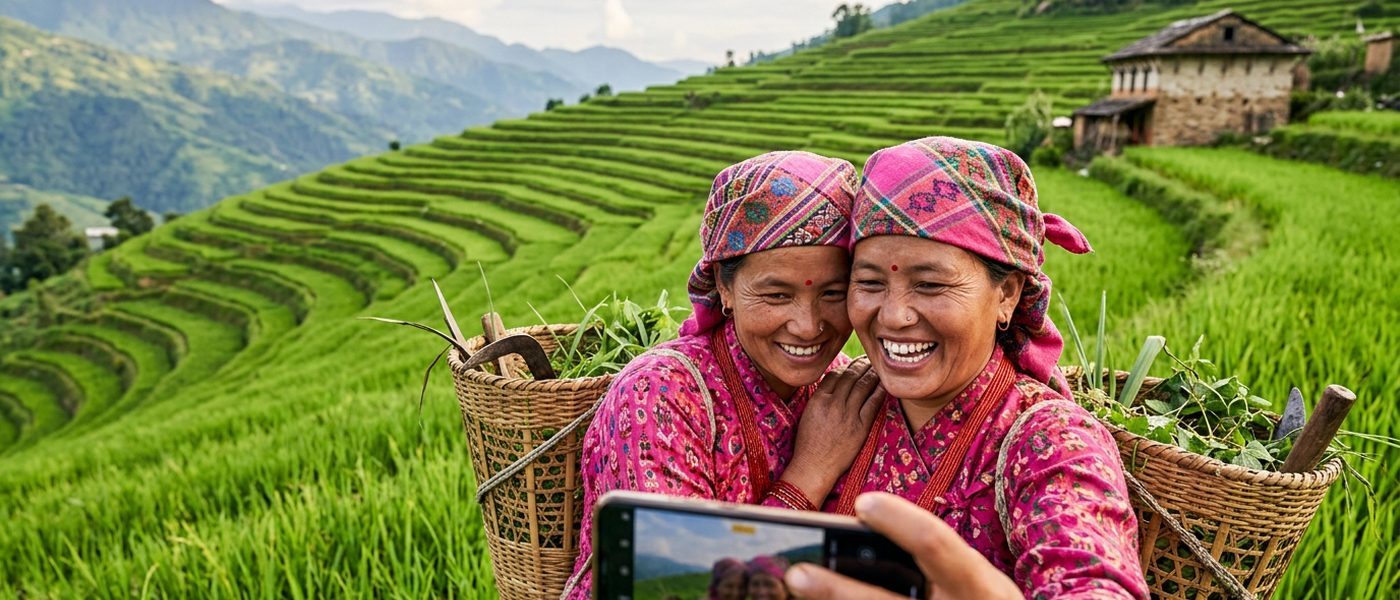
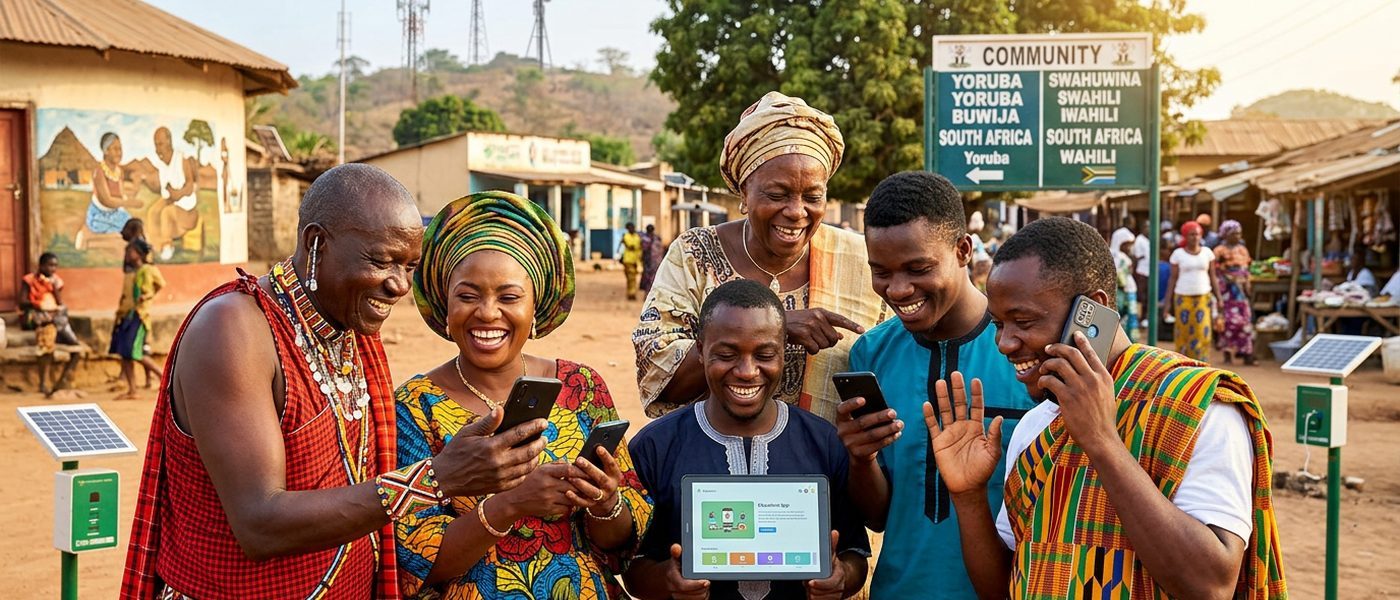
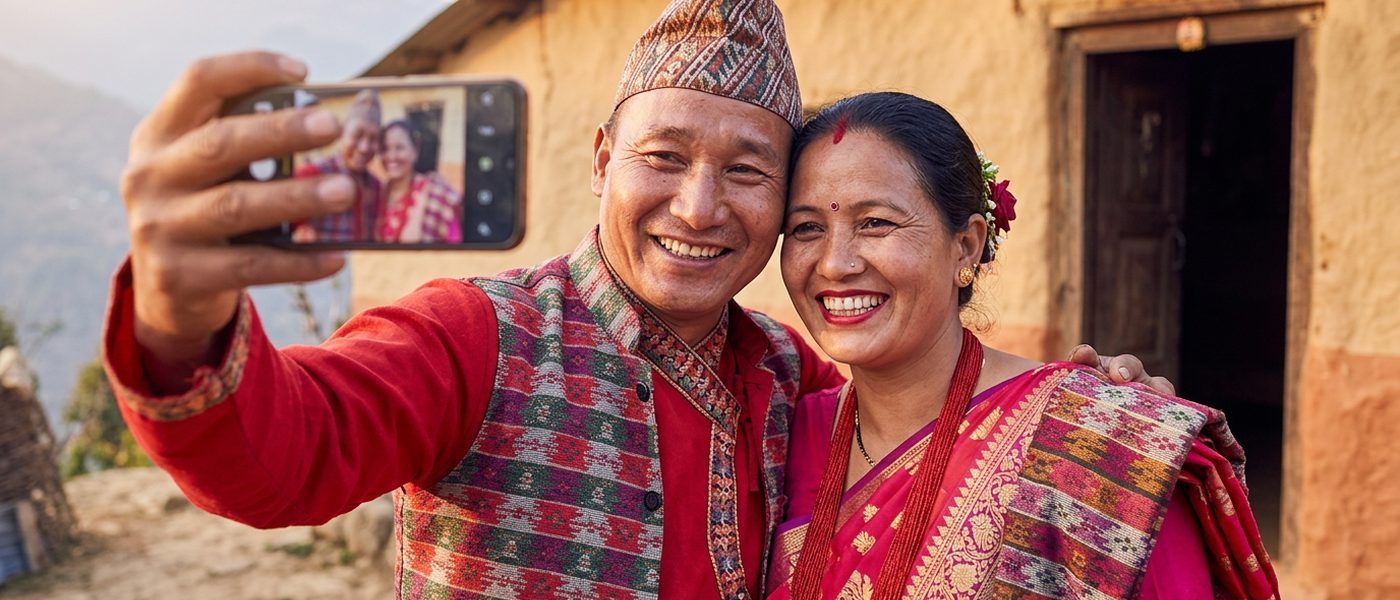
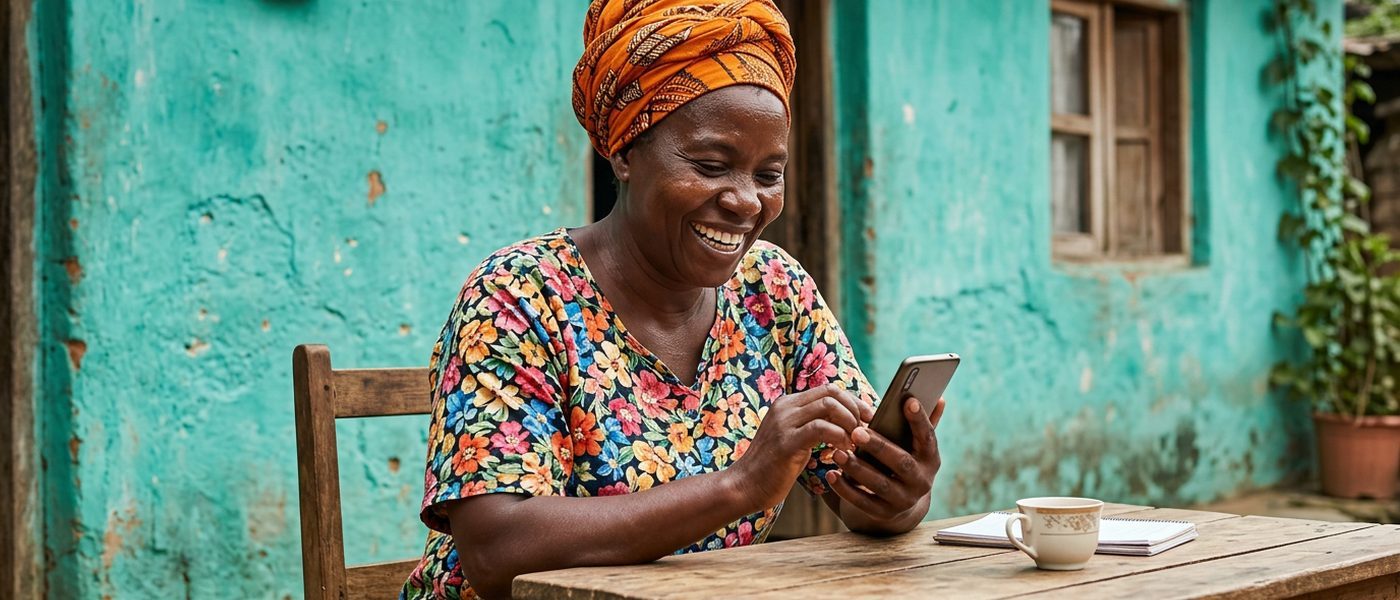
This is not a donation. This is a deployment. When you launch a mission, you step into the field alongside Emmanuel and Maria. You receive pictures, reports, and occasional video clips from the missionaries your sponsorship sustains. You will know their names. You will see their faces. You will read their stories. Because you are not a transaction to them — you are a partner, and the mission is yours as much as it is theirs.
$281 a month. One fully deployed missionary team. Daily coordination, field-hardened technology, NoPlaceLeft Academy oversight, and full reporting delivered to your inbox. Hundreds of workers are standing in the field right now, ready, waiting for a sponsor to stand with them and say: go. They have given their lives. Will you launch their mission?
When you launch a mission through MissionaryAgents, you are not giving to an organization. You are joining a team already in the field — in and around the 10/40 Window and across Central and South America. You receive their reports. You pray for them by name. And together, you advance the Kingdom into places no Western missionary could go alone.
Sponsor a missionary team for 12 months and watch a church take root.
It costs $281/month to field one missionary team. Join from $28/month and sponsor one together.
You’ll confirm your amount on the secure checkout page.
For gifts over $1,000/month, contact Brandon directly at brandon@missionaryagents.org — we’d love to talk with you.
🔒 Secured by Stripe · 75¢ of every dollar goes straight to the field
Reviewed by Church CPA · Certified by Candid
We have hundreds of indigenous missionary partners positioned across these regions. Your gift funds the next team prepared to launch — wherever the need is greatest at that moment.
Every gift funds the next team ready to deploy, directed where the need is greatest.